Pharmacogenomics databases are indispensable resources for drug discovery and development. These databases compile extensive datasets on gene expression, drug responses, and genetic variations, offering researchers a wealth of information to analyze and interpret.
By enabling comprehensive data analysis, they help scientists uncover new drug targets, predict drug interactions, and understand factors that influence drug efficacy.
In this post, you’ll find a list of essential pharmacogenomics databases that are helpful if you’re involved in drug discovery.
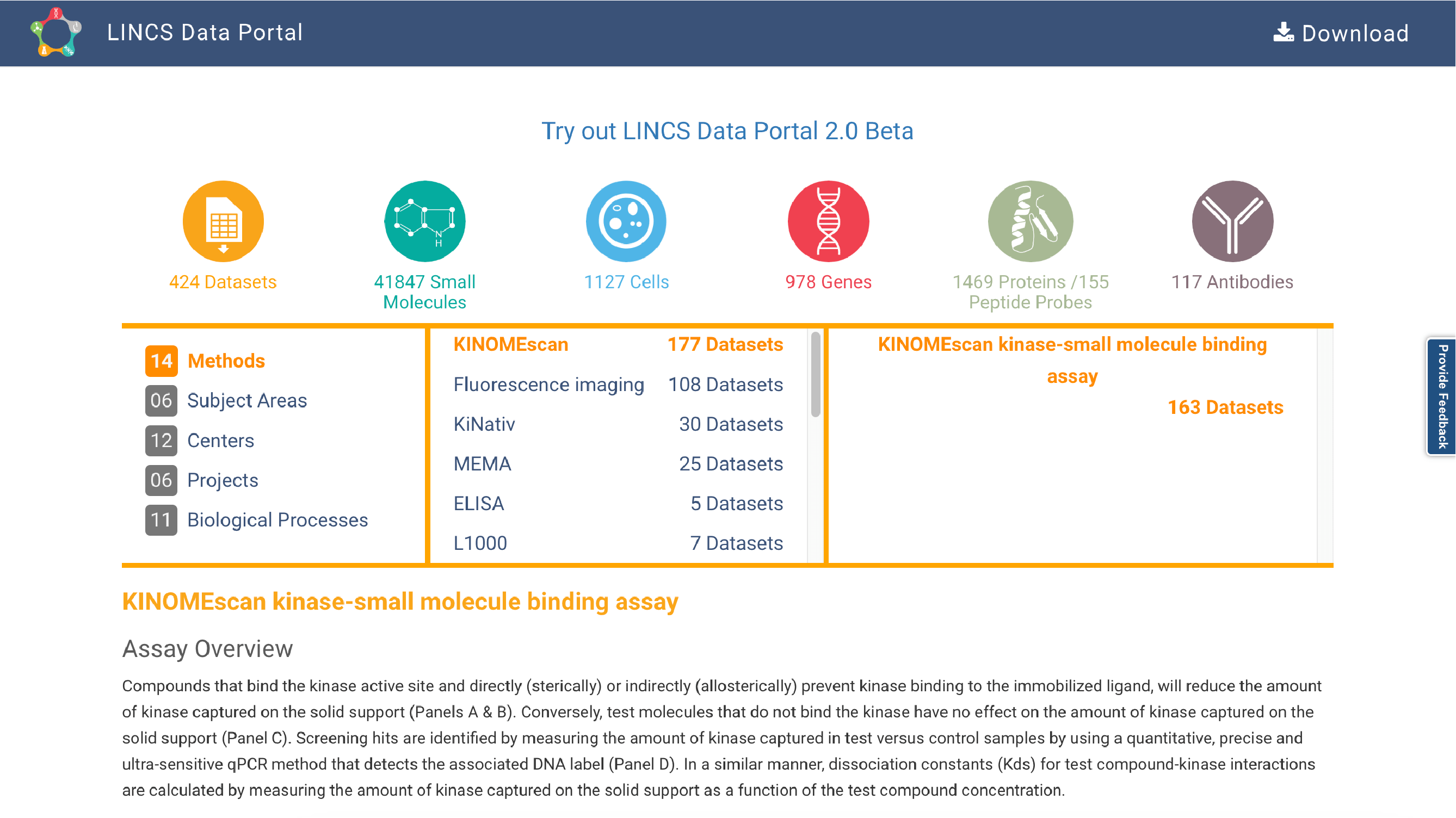
Generated by the NIH as part of the LINCS (Library of Integrated Network-based Cellular Signatures) program, the L1000 project has collected gene expression profiles for thousands of perturbagens at a variety of time points, doses, and cell lines.
You can use the L1000 database to study gene expression changes in response to drug treatments, genetic modifications, and other experimental conditions.
To access it, you can search for L1000 data packages on the LINCS Data Portal (Figure 1) or use the Omics Playground platform where you can correlate your signature to drug profiles for the L1000 database among others.
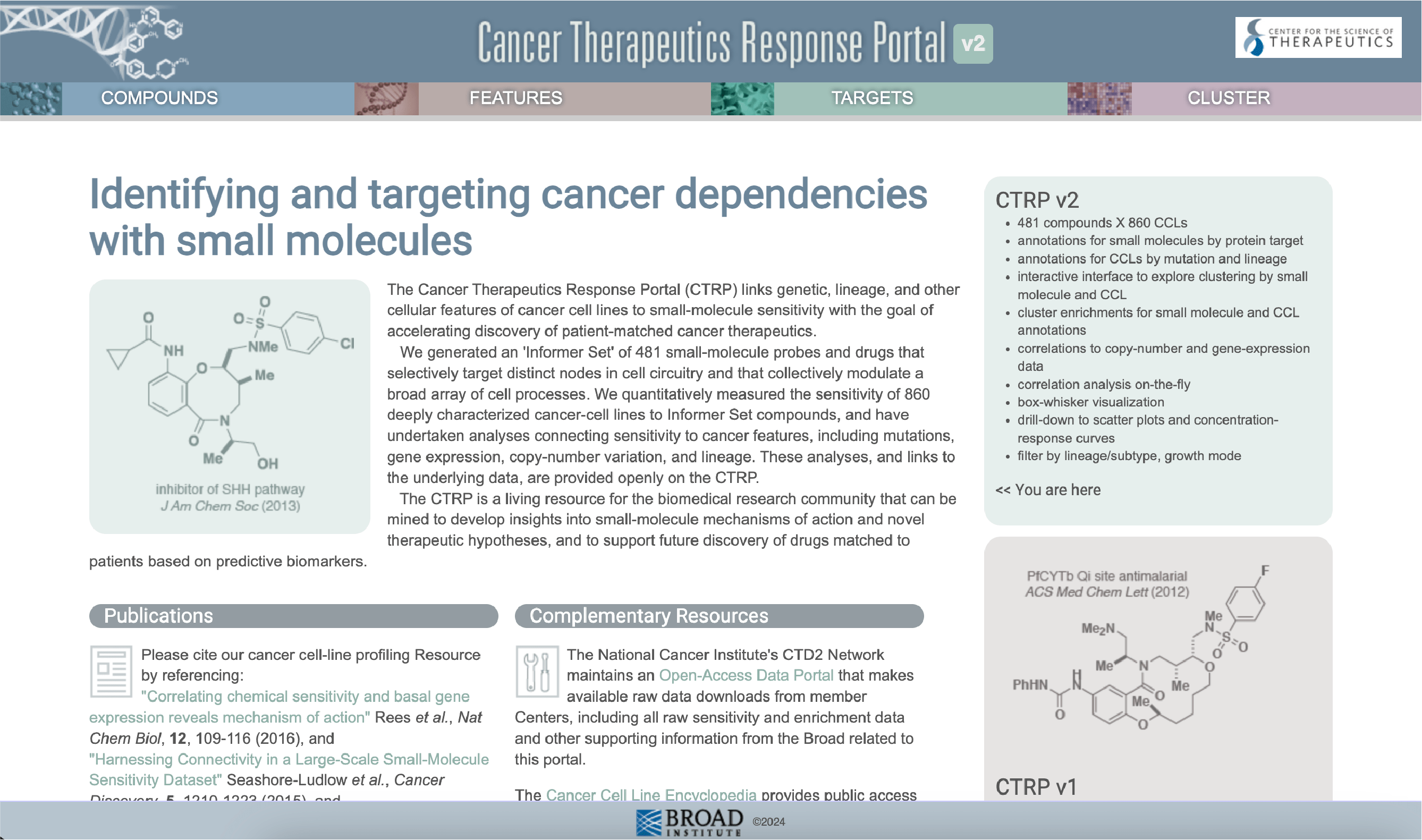
The CTRP by the Broad Institute of MIT and Harvard links genetic, lineage, and other cellular features of cancer cell lines to small-molecule sensitivity to accelerate the discovery of patient-matched cancer therapeutics.
With its 481 compounds, it serves cancer researchers, providing data on the response of cancer cell lines to various small molecules, including anticancer drugs.
Born from a collaboration between the Wellcome Sanger Institute and the Center for Molecular Therapeutics, Massachusetts General Hospital Cancer Center, the GDSC database contains over 600 compounds and is a resource that provides information on the sensitivity of cancer cell lines to various anti-cancer drugs.
The NCI-60 is a panel of 60 human cancer cell lines representing nine different cancer types. It provides information on the molecular and genetic characteristics of these cell lines, as well as their responses to various anticancer drugs.
Researchers can leverage the NCI-60 to identify potential drug candidates and understand the underlying genetic factors influencing drug sensitivity.
Built by the Broad Institute, the CLUE platform allows to analyze perturbational datasets generated using gene expression (L1000) and proteomic (P100 and GCP) assay.
It allows you to look up perturbagens of interest using a text-box. It also provides access to apps to query your gene expression signatures and analyze resulting connections.
What Next?
Correlate your signature with more than 5000 known drug profiles from the L1000 database, as well as with drug sensitivity profiles from the CTRP v2 and GDSC databases with Omics Playground.